The MUMOK Sits in the Right Place for the Wrong Reason
The Museum Moderner Kunst occupies a building clad in volcanic stone, in a courtyard that used to be the imperial stables — and the tension in that sentence tells you everything about what it holds.
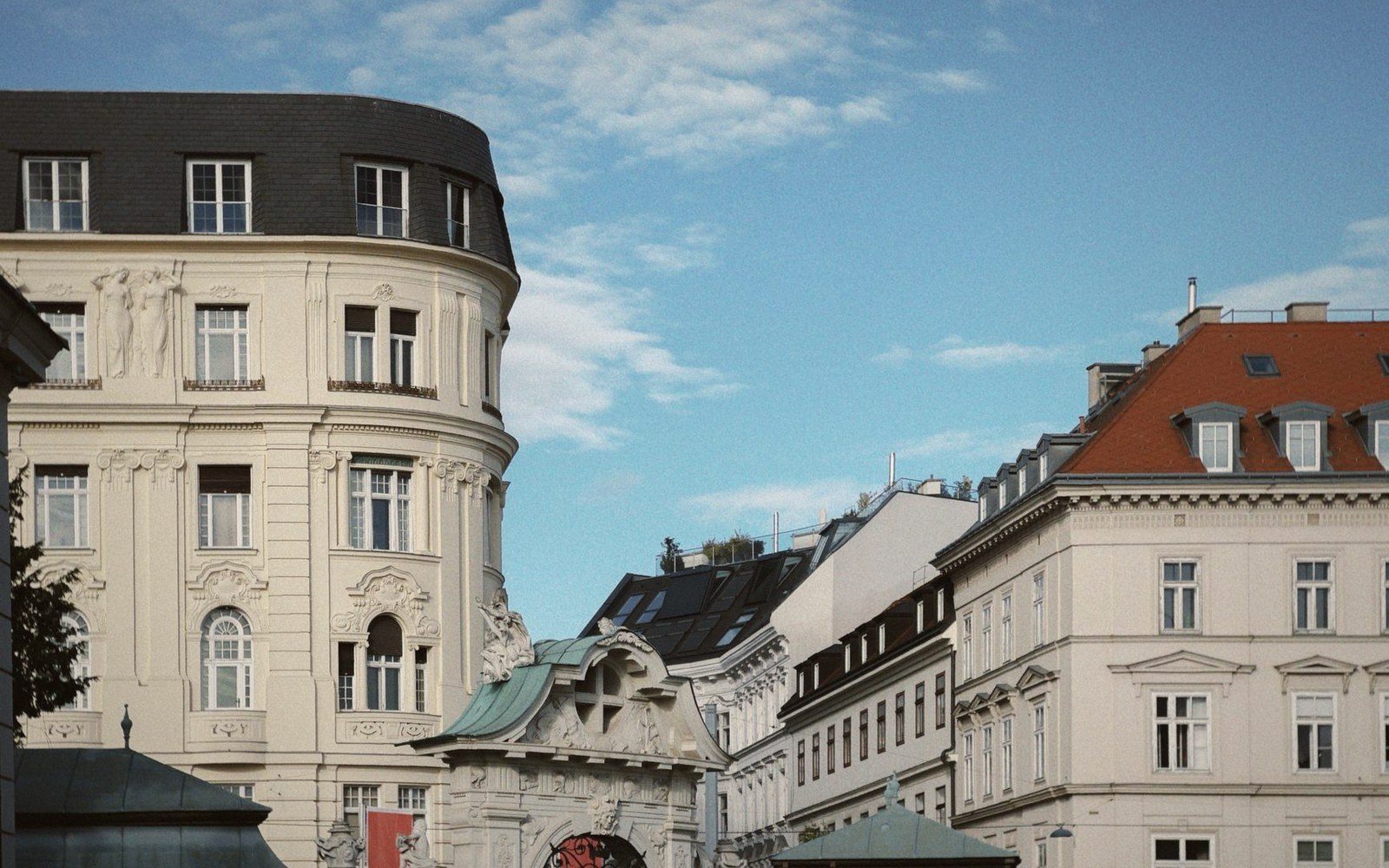
A Strange Adjacency
The MuseumsQuartier — the vast cultural campus tucked just behind the Kunsthistorisches and Natural History museums on the Ringstraße — was carved from the Habsburg imperial stables, the Hofstallungen, in the 1990s. When the complex opened in 2001, MUMOK moved in as its anchor contemporary institution, housed in a dark basalt lava block that makes no attempt whatsoever to harmonise with the baroque courtyard around it. That abrasion is honest. The collection inside — Viennese Actionism, American Pop, Fluxus, Nouveau Réalisme — spent much of the twentieth century being refused by Vienna before Vienna decided to claim it.
The institutional irony is precise. The Kunsthistorisches, a ten-minute walk away, holds centuries of dynastic collecting: art that came to Vienna because emperors wanted it. MUMOK holds work that was, in many cases, explicitly unwanted here — declared degenerate, hidden, sold under duress, or simply ignored by a city that was slow to accept the modernism it had partly produced. Placing it adjacent to the imperial collections on the same axis as the Ringstraße institutions is either a reconciliation or a provocation, and MUMOK's building suggests the latter.
What the Lava Cladding Argues
Basalt lava is not decorative. It is heavy, almost black, and visually uncompromising. The architects chose it knowing that the courtyard's pale stone would make the contrast impossible to ignore. You are not meant to feel that MUMOK belongs here in any easy sense. The building's logic is confrontational: it squats in an imperial yard and refuses to apologise.
Inside, the collection runs from the early twentieth century through to the present — Cubism, Expressionism, and the postwar movements that followed, including the Wiener Aktionismus whose work remains among the most difficult in any European public collection. None of this was straightforwardly Viennese patrimony at the time it was made. All of it has been retrospectively absorbed into the city's cultural self-image.
That absorption is the real subject of MUMOK's location. The campus that once housed the emperor's horses now holds art his successors tried to suppress. The wrong reason for the right place is, it turns out, history.