Section 04 · 5 pieces
Provenance
Where the works in Vienna's collections came from, how some were taken, and what restitution has and has not returned — handled plainly, without sensationalism.
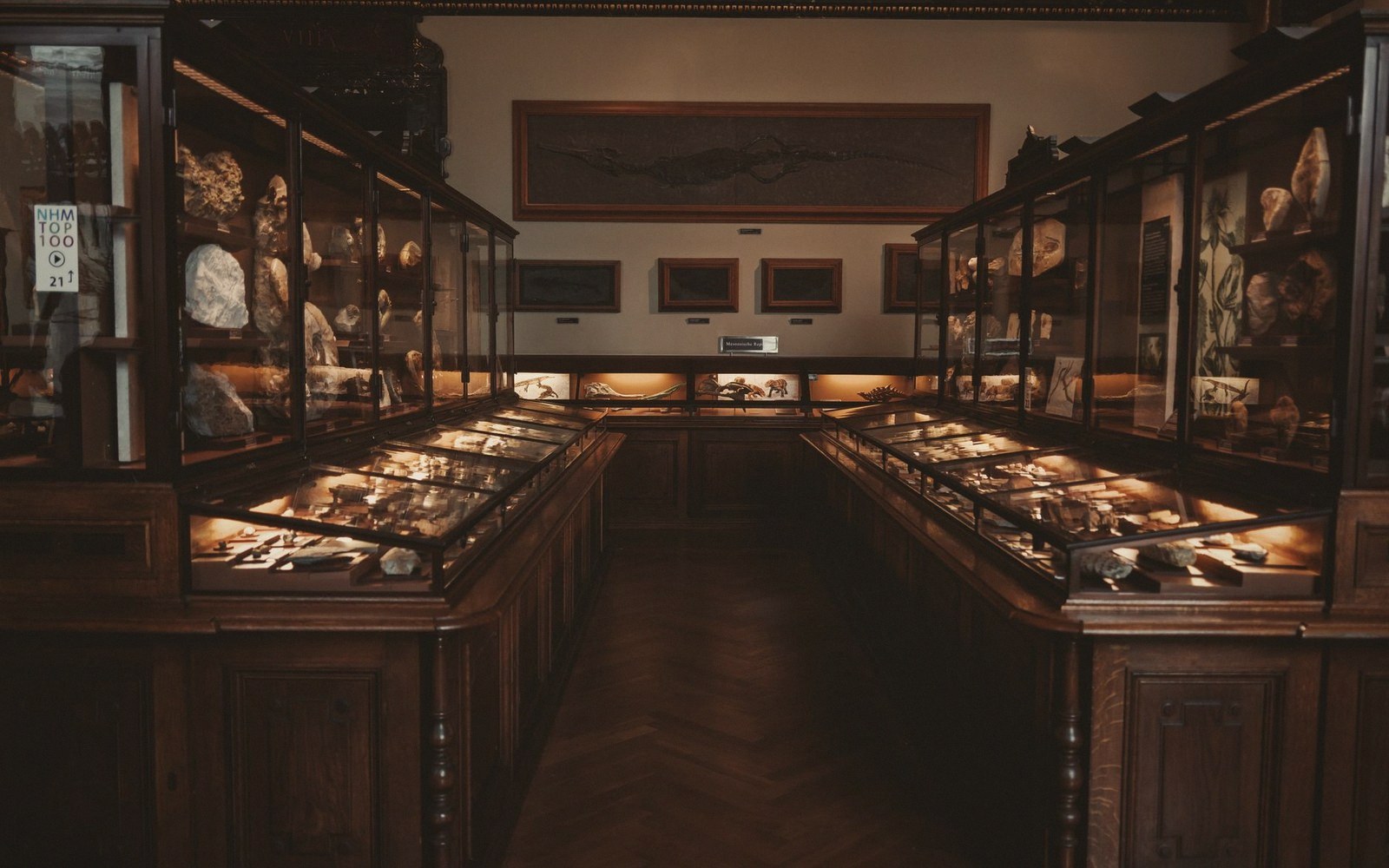
Plate
Photo: Michael Pointner / Pexels
- 04.01 The Habsburgs Did Not Buy at Auction Power assembled collections differently: inheritance, conquest, commission, confiscation and diplomatic gift built the holdings that Vienna's museums still hold today.
- 04.02 What Stayed and What Was Stolen After the Anschluss in 1938, artworks left Vienna through forced sales, outright seizure and flight — this piece describes the mechanisms of dispossession, which institutions were involved, and how the postwar period failed to address what had happened for several decades.
- 04.03 The Law That Changed What the Museums Could Keep Austria's 1998 Art Restitution Law opened federal collections to claims — this piece explains what the law did and did not cover, which restitutions followed, and what the ongoing gaps are, without asserting disputed facts as settled.
- 04.04 Five Klimts and a Decade of Argument The restitution of five Klimt paintings from Austrian state collections is the most visible provenance case in postwar European museum history — and one of the most instructive.
- 04.05 What the Label Tells You and What It Leaves Out Museum labels are written to inform. They are also, sometimes, written to deflect.