Section 02 · 6 pieces
Vienna 1900
The Secession, the Wiener Werkstätte, Klimt and Schiele — the moment when Vienna broke with its own imperial tradition and what that break actually looked like in paint, on walls, and in objects.
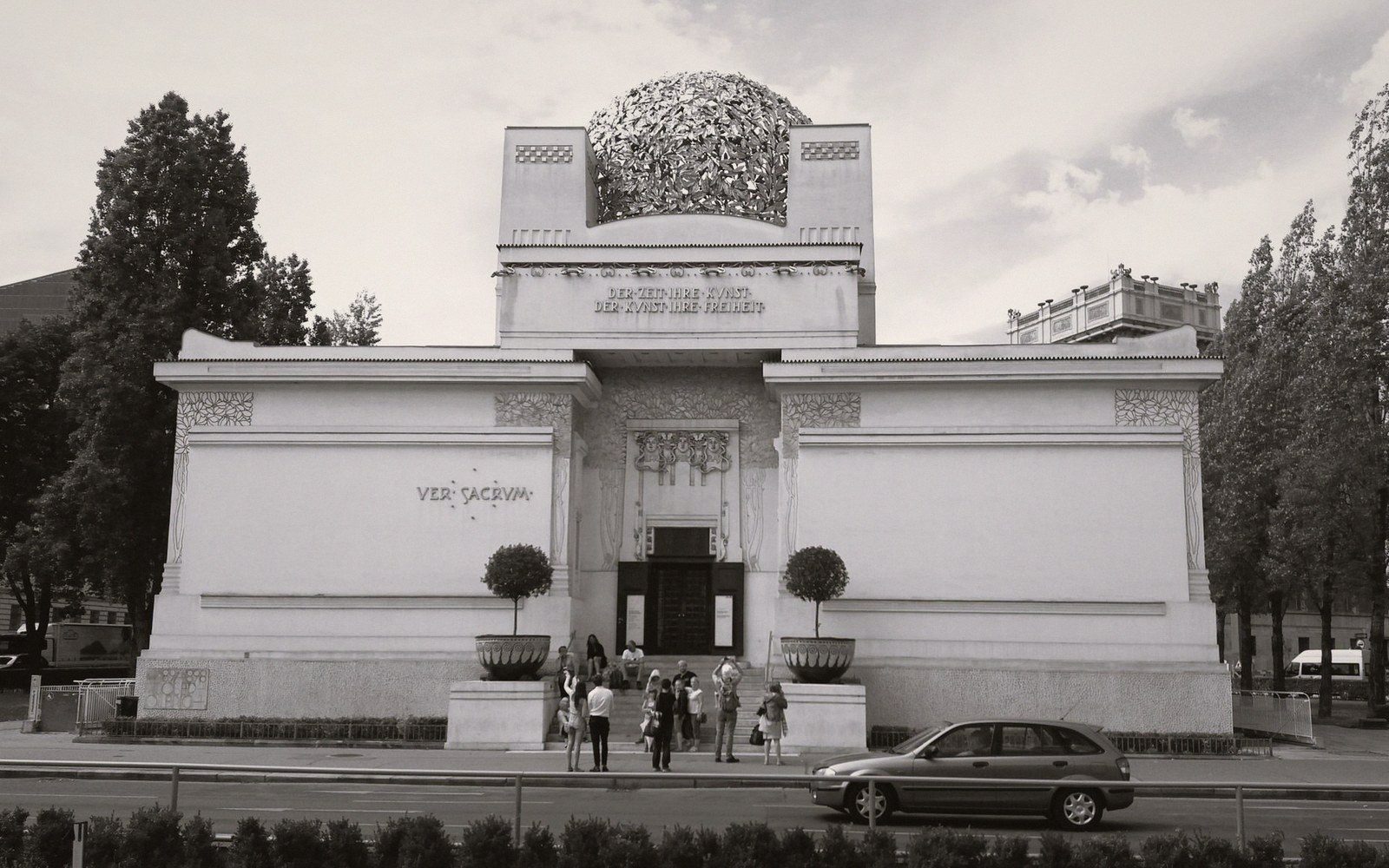
Plate
Photo: Ivan Dražić / Pexels
- 02.01 The Secession Is a Provocation, Not a Decoration The Secession building was designed to be illegible to the generation it was rebelling against — the facade, the dome and the basement form a single polemical statement, and the motto above the door was a fight, not a slogan.
- 02.02 The Gold Is the Least of It Everyone comes for the shimmer. The argument worth having is about what the gold was designed to make you forget to look at.
- 02.03 Schiele's Line Is an Argument, Not a Style The angularity is deliberate, the rawness is deliberate, and both are a position taken against everything his teachers stood for.
- 02.04 The Wiener Werkstätte Made Things for People to Use A workshop, not a gallery: the Wiener Werkstätte made furniture, textiles and silver to be touched, worn and sat upon, not just displayed.
- 02.05 You Have to Walk It Klimt's Beethoven Frieze was made for a single exhibition in 1902, torn apart when it closed, and reassembled in a basement. Walk its three movements in order, or miss the point entirely.
- 02.06 The Ringstraße Was Built to Look Like Several Other Cities at Once Franz Joseph's great boulevard is a deliberate fiction — one that stages European history rather than belonging to it.