The Wiener Werkstätte Made Things for People to Use
A workshop, not a gallery: the Wiener Werkstätte made furniture, textiles and silver to be touched, worn and sat upon, not just displayed.
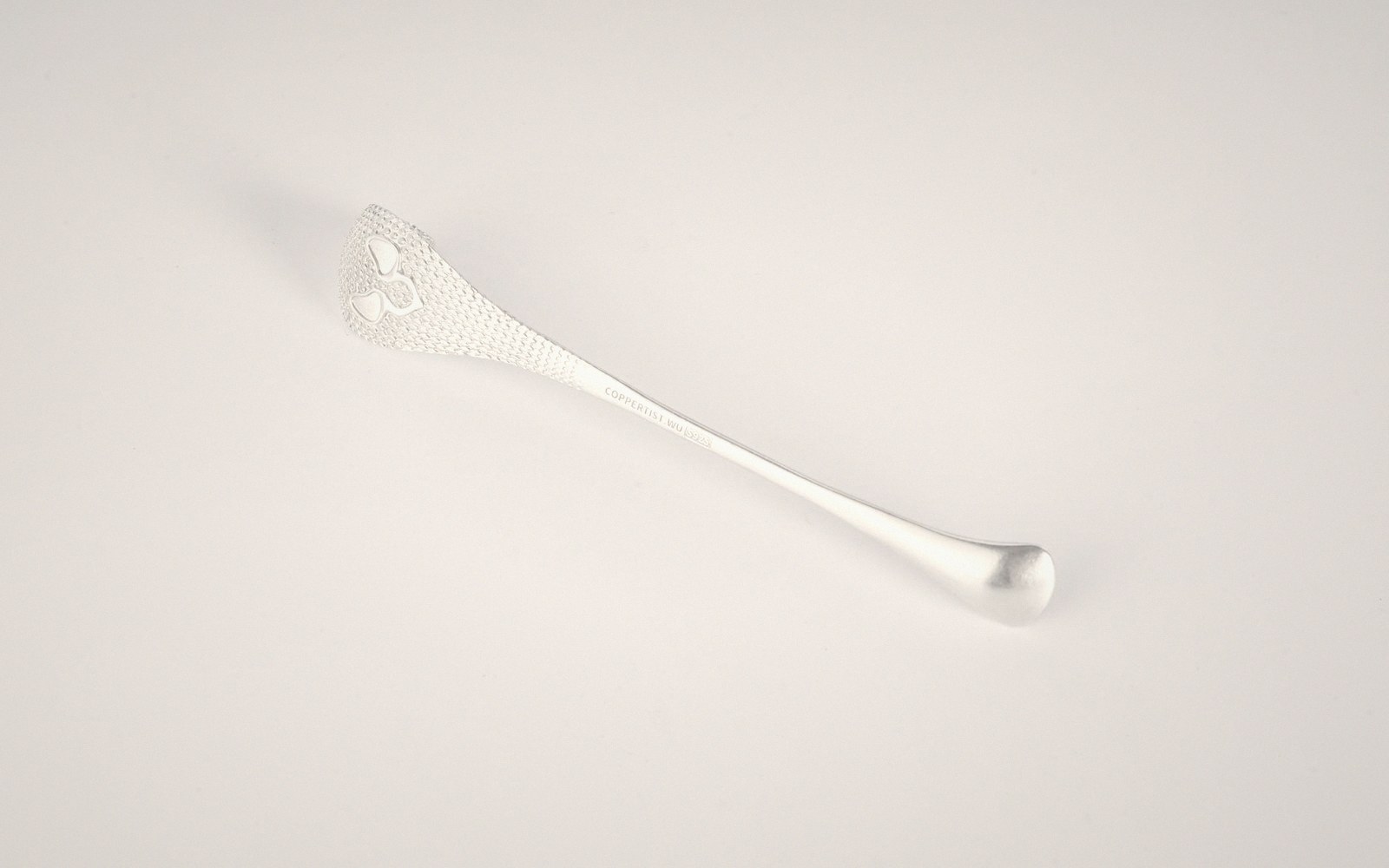
The Functional Ambition Behind the Beautiful Surface
Founded in Vienna in 1903 by Josef Hoffmann and Koloman Moser, the Wiener Werkstätte — the Vienna Workshops — set out to dissolve the boundary between fine and applied art by making well-designed objects for everyday use. Furniture, textiles, silverware, jewelry, wallpaper, ceramics: the range was deliberate. The idea was that a teapot or a chair could carry as much intellectual weight as a painting.
That ambition is easy to miss when the surviving objects sit behind glass. The MAK — the Österreichisches Museum für angewandte Kunst — holds the most substantial Werkstätte collection in Vienna, and it is worth approaching those showcases with the workshop's logic in mind: these were not display pieces. The grid-punched metalwork, the rectilinear chair frames, the precisely woven fabrics — all of it was meant to be handled, occupied and worn through.
The Werkstätte ran for nearly three decades before closing in 1932, producing thousands of objects across a wide range of workshops and designers. Quality was expensive; the clientele was wealthy; and the tension between artisanal idealism and commercial reality never fully resolved. But the workshop's insistence that function and beauty were the same problem produced objects that still read as modern — not because they anticipated modernism's aesthetic, but because they took usefulness seriously as a value. A Hoffmann fruit bowl is not an artwork pretending to be a bowl. It is a bowl that refuses to be merely a bowl. That distinction, small as it sounds, is the whole argument.