The Catalogue Will Ruin Some Things and Save Others
Knowing too much before you look is a real risk — but knowing too little is also one.
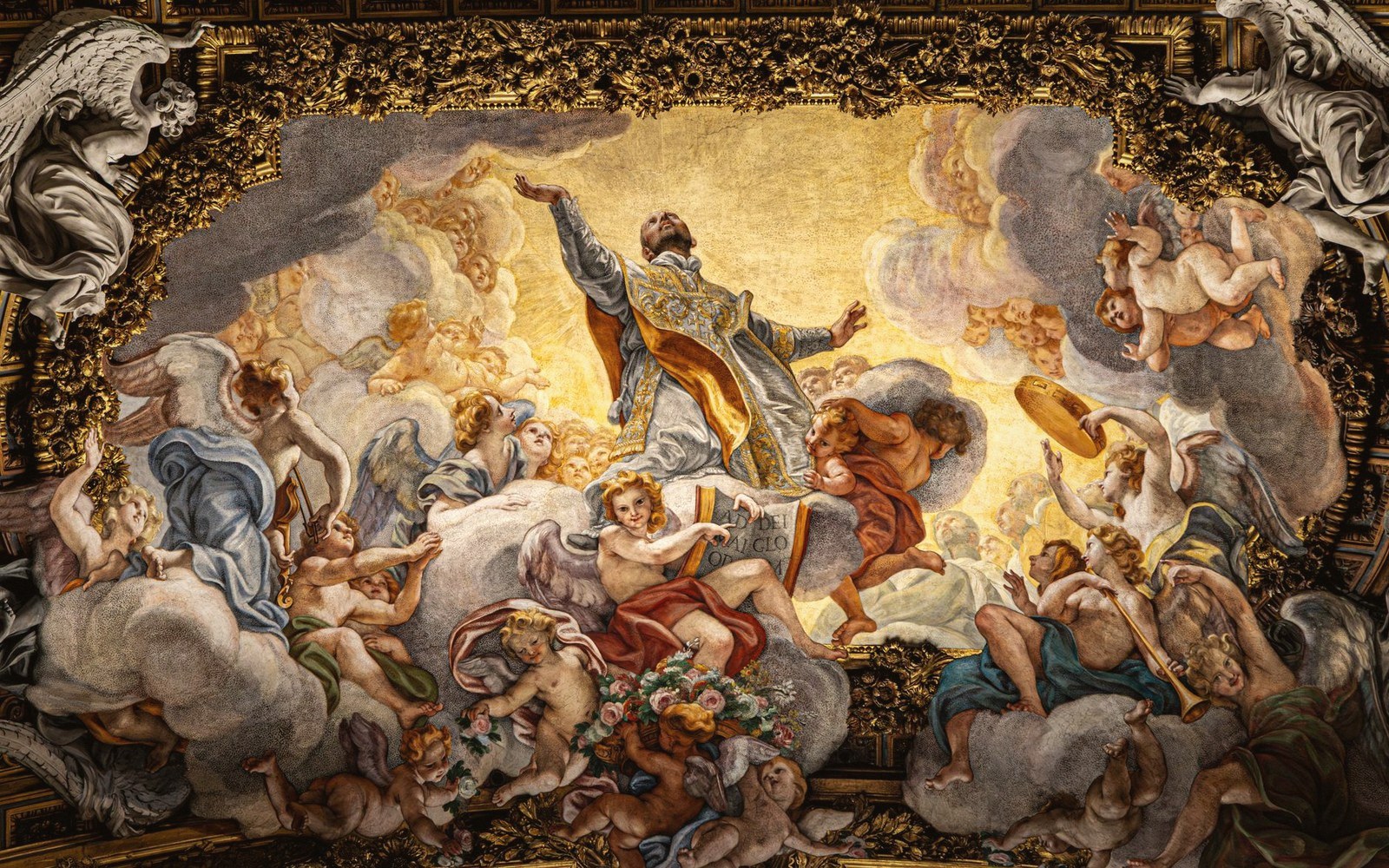
When to hold back, and when to read
A scholarly catalogue is a machine for producing answers. That is sometimes exactly what you need, and sometimes the opposite. The problem is knowing which kind of work you are about to stand in front of.
Iconographic painting — altarpieces, mythological cycles, the dense allegorical canvases of the Kunsthistorisches — rewards prior reading. Without knowing who Marsyas is, or what the pelican feeding its young from its own breast was meant to signal, you will miss the argument the painter was making. The catalogue here is a key, not a spoiler.
But certain works are better met cold. A Schiele drawing, a late Klimt, almost anything in a room hung with their work — these open differently when you arrive without a settled interpretation already running in your head. The catalogue will tell you what scholars have concluded. What it cannot do is leave space for what the work does to you before you have been told what to think. Read the entry afterward, and it sharpens what you noticed. Read it before, and you may spend your time confirming rather than seeing.
The honest rule: read context, not interpretation. Knowing that a work was commissioned under particular circumstances, or that a specific material was outrageously expensive, changes how you look without closing anything down. Knowing that the dominant reading is X will nudge your eye toward X even when something else is quietly happening in the paint.
The catalogue is not the enemy. But it is a voice in the room, and voices crowd out silence. Some works need silence first.