Look First, Then Read the Label
The portrait tells you things the caption cannot — but only if you arrive before the name does.
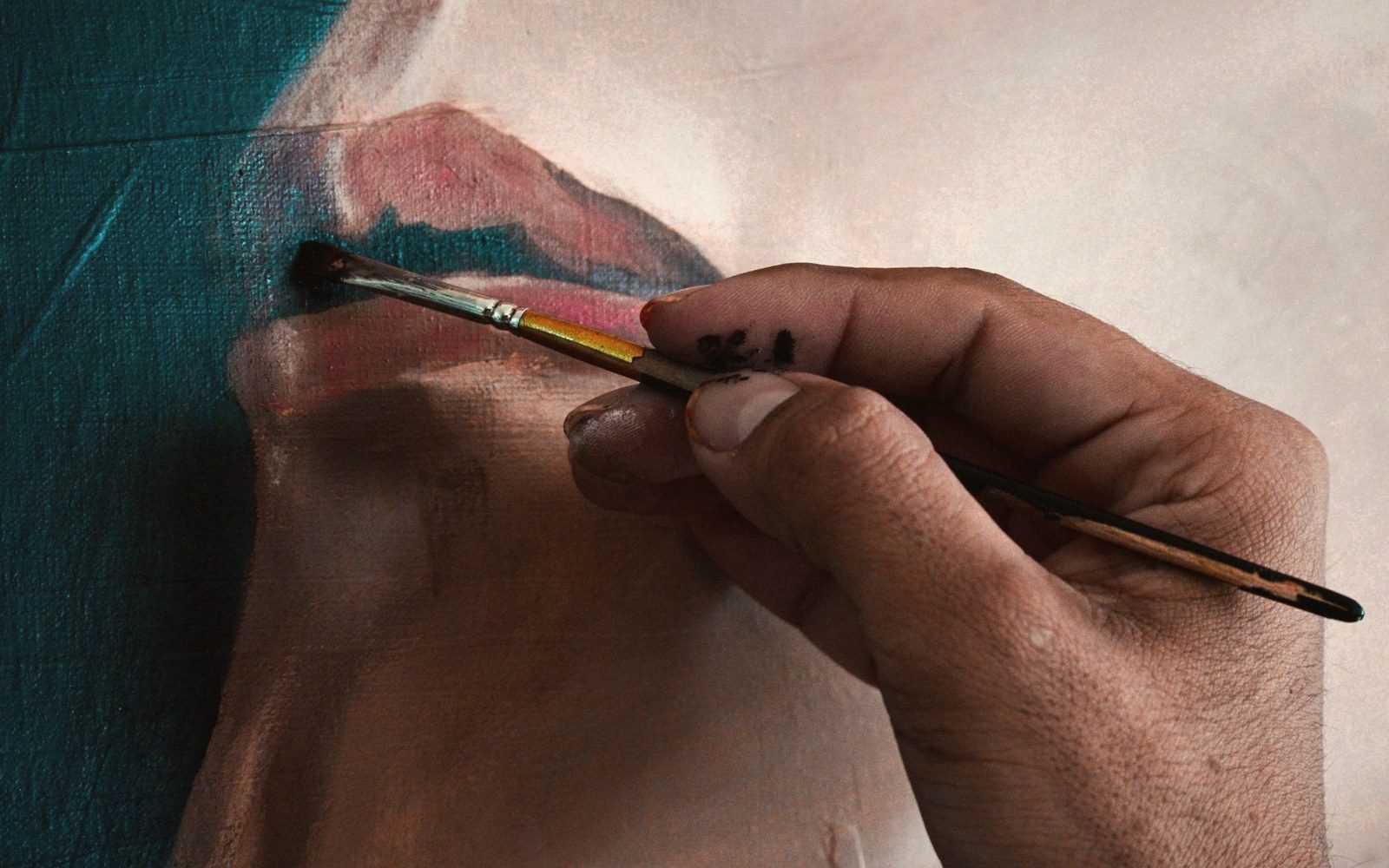
Start with the body
Walk up to a portrait and cover the label with your thumb. What you are left with is a set of decisions — every one of them deliberate, almost none of them neutral.
Begin with posture. Is the figure upright, slightly turned, or pressing toward you? A three-quarter turn, body angled but eyes meeting yours, is the default grammar of European portraiture from the fifteenth century onward: it suggests presence without confrontation. A full frontal pose is rarer and harder — it demands something of the viewer, implies authority, sometimes tips into unease. When Velázquez painted Philip IV, the king looked as though he had been interrupted; when a Habsburg sitter faces you squarely, the message is usually institutional rather than personal. Vienna's collections — the Kunsthistorisches Museum above all — are full of this grammar, and once you see it you cannot unsee it.
Then go to the hands. Painters spent enormous effort on hands because hands carry narrative. They can rest in a lap and say patience; grip a glove and say readiness; hold a letter and introduce a whole life offscreen. In the Habsburg portrait tradition, a hand laid lightly on the body — not clutching, not gesturing — often signals rank so secure it requires no display. Extravagance of gesture belongs to a different kind of commission.
Costume, background, rhetoric
Clothing is the loudest signal in the room, and the one modern viewers most often misread as mere decoration. Lace, ruffs, brocade, the particular black that Spanish-inflected Habsburg dress made fashionable across two centuries: all of these cost money that was meant to be seen. But more than cost, they place the sitter in time, in court, in allegiance. A collar that goes out of fashion in one decade dates a portrait as precisely as a document.
The background is where painters hide their argument. A plain dark ground — common in the sixteenth and seventeenth centuries — strips the sitter free of context and makes the face the only claim. A window or landscape behind the figure opens a world: it says this person has dominion, or at least a view. A curtain, partially drawn, stages the encounter — you have been admitted to something. When Titian placed a column and a glimpse of sky behind a sitter, he was borrowing from ancient rhetoric, inserting the human figure into a tradition of monumental authority.
Pictorial rhetoric is the right phrase for what you are doing when you look at all this together: the portrait makes an argument about who this person is, or was, or wanted to be thought. The painter is an advocate. The sitter is the brief. Your job as a viewer is to notice the advocacy before you accept the verdict.
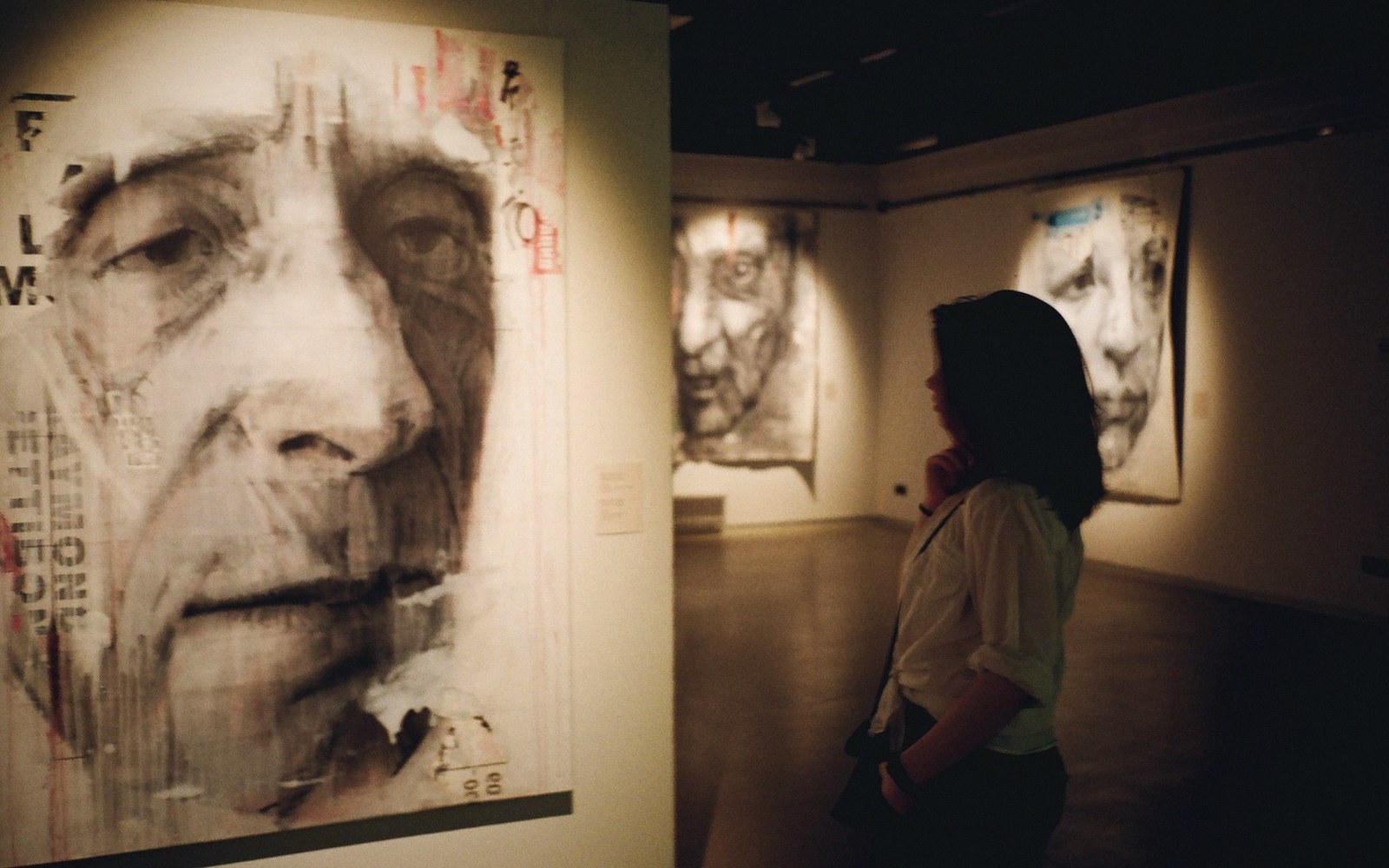
Then read the label
Now you know something. You have read posture, hands, clothing, background, and the rhetoric holding them together. The label — the name, the date, the attribution — arrives into that prepared attention and lands differently. A title like Portrait of a Young Man stays genuinely open; a name confirms or surprises or recontextualises what you already noticed. The painting has not changed. Your relationship to it has.
This sequence does not require expertise. It requires the willingness to stay a few minutes before moving on — long enough for the image to put up a mild resistance, to refuse to be passed through. The portraits in Vienna's great collections reward exactly that friction. Most of them were made to be scrutinised. Scrutinise them.