The Glass Case Is Not a Tomb
A vitrine is not a barrier between you and the object — it is an argument about how to see it.
Look Before You Lean In
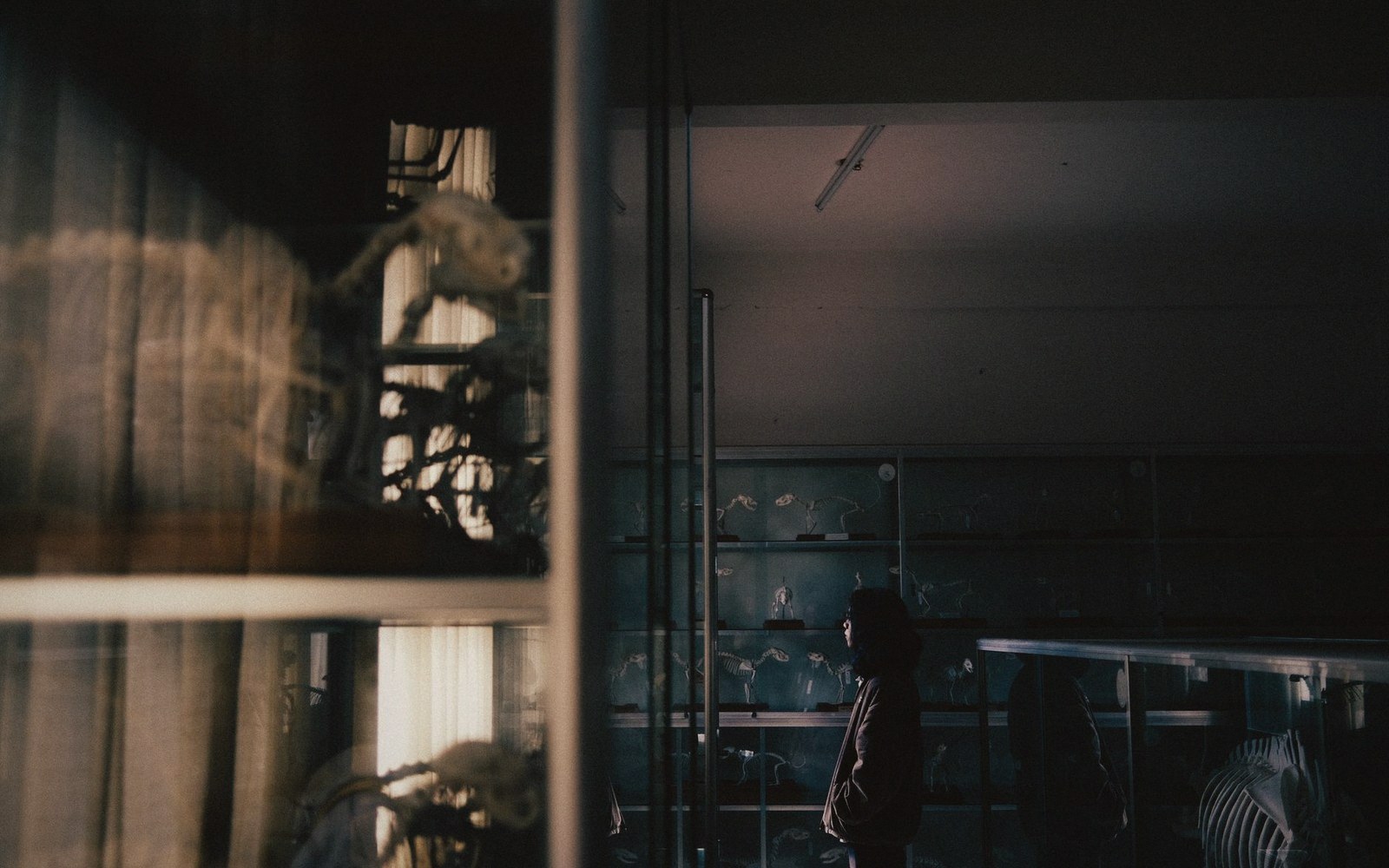
The instinct at a glass case is to get close fast, but that flattens what is inside. Stand back first. A well-designed vitrine has its light source aimed obliquely — raking across a surface rather than flooding it — so that the relief on a medallion or the chasing on a small bronze throws a shadow that reveals its depth. Step to one side and you will often see something the frontal view suppresses entirely.
Jewelry is the hardest category. Gemstones in historical settings are almost never meant to catch overhead light; they are cut for candlelight, which moves. Under fixed museum illumination, a table-cut diamond looks dull and a foil-backed stone looks flat. What you are seeing is not the object failing — it is a light source that does not match the object's century. Compensate by moving your own head slowly; the moment a foil backing catches the angle, it ignites.
Small bronzes require the same patience but for a different reason. A sculptor working at palm scale uses undercuts and surface texture that only read in glancing light or when the silhouette shifts. Most vitrines are low enough that you can crouch slightly and look up at the piece, which is often the angle a sixteenth-century collector would have held it. That posture is not eccentric — it is correct.
The case itself is doing work: isolating the object from visual noise, keeping humidity stable, preventing the oils of ten thousand hands from etching a surface. None of that is imprisonment. Once you understand the vitrine as a controlled stage rather than a sealed vault, what is inside it becomes easier — and stranger — to see.